
Understanding Idiopathic Insomnia
Insomnia • Apr 10, 2024
Have you ever struggled with persistent sleep difficulties that seem to have no clear cause? For some individuals, a condition known as idiopathic insomnia may be the underlying culprit. Idiopathic insomnia is a rare but perplexing sleep disorder characterized by chronic difficulty falling asleep or staying asleep, despite optimal sleep conditions and without an identifiable cause. In this blog post, we'll delve into what idiopathic insomnia is, its symptoms, potential causes, and strategies for managing this challenging condition.
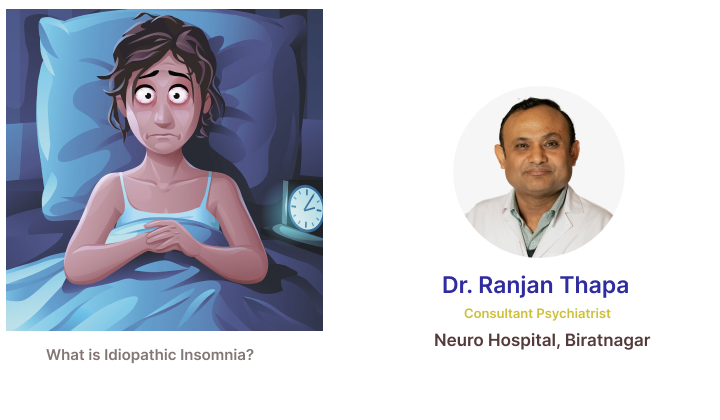
What is Idiopathic Insomnia?
Idiopathic insomnia, also referred to as lifelong insomnia or childhood-onset insomnia, is a type of primary insomnia that begins early in life and persists into adulthood. Unlike secondary insomnia, which is often linked to specific medical, psychiatric, or environmental factors, idiopathic insomnia arises seemingly without any apparent cause or trigger.
Symptoms of Idiopathic Insomnia
The hallmark symptoms of idiopathic insomnia typically include:
Potential Causes of Idiopathic Insomnia
The exact cause of idiopathic insomnia remains elusive and is not fully understood. However, several factors may contribute to its development, including:
Diagnosis and Treatment
Diagnosing idiopathic insomnia involves ruling out other potential causes of sleep disturbances through a comprehensive evaluation, which may include a detailed medical history, sleep diary analysis, and possibly sleep studies (polysomnography).
Unfortunately, there is no specific cure for idiopathic insomnia. Treatment focuses on managing symptoms and improving sleep quality. Common strategies and interventions may include:
Coping and Support
Living with idiopathic insomnia can be challenging and frustrating. It's essential for individuals affected by this condition to seek support from healthcare professionals, sleep specialists, and mental health professionals who can provide guidance, education, and tailored interventions to manage symptoms effectively.
Final Thoughts
Idiopathic insomnia is a complex and enigmatic sleep disorder that can significantly impact an individual's well-being and quality of life. While there is no definitive cure, proactive management strategies and therapeutic interventions can help individuals with idiopathic insomnia achieve better sleep and enhance their overall health and vitality.
If you suspect that you or someone you know may have idiopathic insomnia, don't hesitate to reach out to a healthcare provider for evaluation and personalized treatment recommendations. With proper support and management, it's possible to navigate the challenges of idiopathic insomnia and enjoy improved sleep and overall wellness.
Remember, quality sleep is fundamental to health and vitality, and everyone deserves the opportunity to experience restorative rest each night.