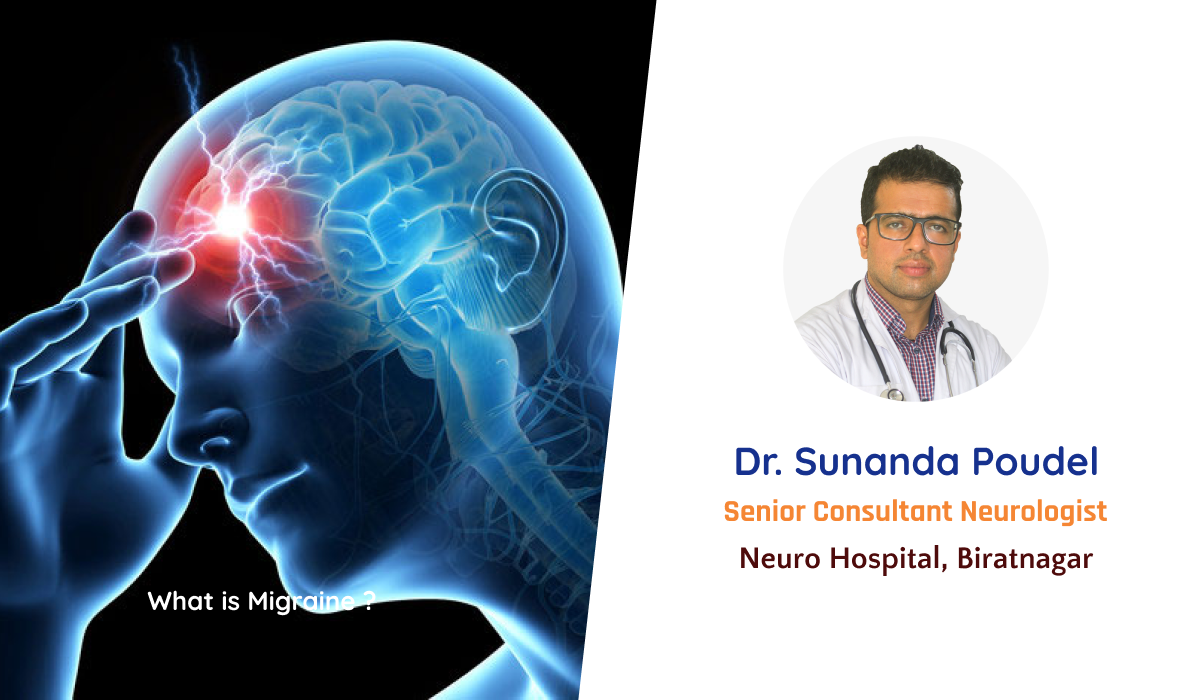
What is Migraine ?
Migraine • Apr 9, 2024
A migraine is a neurological condition characterized by recurring moderate to severe headaches, often accompanied by other symptoms such as nausea, sensitivity to light and sound, and visual disturbances.
Migraines can last for a few hours or even a few days. They can be triggered by things like stress, certain foods, or changes in hormones. People who get migraines often need to rest in a quiet, dark room until the headache goes away.
What triggers a migraine?
Migraines can be triggered by various factors, and these triggers can vary from person to person. Some common migraine triggers include:
It's important to note that not everyone has the same triggers, and some individuals may have multiple triggers or find that their triggers change over time.
How to avoid migraine triggers?
Avoiding migraine triggers involves identifying specific triggers that affect you personally and taking steps to minimize exposure to them. Here are steps you can take to avoid common migraine triggers:
- Identify Your Triggers:
Keep a migraine diary to track your headaches and identify patterns or triggers. Note down details about your diet, sleep patterns, stress levels, and environmental factors before each migraine attack. - Manage Stress:
Practice stress-reduction techniques such as deep breathing, meditation, yoga, or regular exercise to help manage stress, which can be a significant migraine trigger for many people. - Maintain a Regular Sleep Schedule:
Establish a consistent sleep routine by going to bed and waking up at the same time every day, even on weekends. Avoid oversleeping or getting too little sleep. - Stay Hydrated:
Drink plenty of water throughout the day to stay hydrated. Dehydration can trigger migraines in some individuals. - Limit Caffeine and Alcohol:
Reduce your intake of caffeine and alcohol, as these substances can trigger migraines in some people. - Be Mindful of Medications:
Talk to your doctor about any medications you are taking, as some medications can trigger migraines or interact with migraine treatments. - Stay Informed and Proactive:
Stay informed about migraine triggers and management strategies. Work closely with your healthcare provider to develop a personalized migraine management plan that addresses your specific triggers and needs.
By taking proactive steps to avoid known triggers and making lifestyle adjustments, you can reduce the frequency and severity of migraine attacks and improve your overall quality of life.
How are migraines treated?:
- Acute Treatment (Treating an Active Migraine Attack)
- Over-the-Counter (OTC) Pain Relievers: Non-prescription medications like ibuprofen, aspirin, or acetaminophen can provide relief for mild to moderate migraine pain.
- Prescription Medications:
Triptans:These are specific medications designed to target migraine symptoms by constricting blood vessels and blocking pain pathways in the brain. Examples include sumatriptan, rizatriptan, and eletriptan.
Ergotamines: Older medications that can be effective for migraines, but they are used less often due to potential side effects. - Anti-Nausea Medications: Drugs like metoclopramide or prochlorperazine can help alleviate nausea and vomiting associated with migraines.
- Combination Medications: Some medications combine pain relievers with anti-nausea drugs or caffeine for enhanced effectiveness (e.g., Excedrin Migraine).
- Preventive Treatment (Reducing Frequency and Severity of Migraines)
- Prescription Medications:
Beta-Blockers: Drugs like propranolol or metoprolol are commonly used to prevent migraines by reducing the frequency and severity of attacks.
Anticonvulsants:Medications like topiramate or valproate can be effective for migraine prevention.
Tricyclic Antidepressants: Drugs like amitriptyline may be prescribed for individuals with chronic migraines.
Drugs like amitriptyline may be prescribed for individuals with chronic migraines.Injectable medications targeting CGRP, such as erenumab, fremanezumab, and galcanezumab, can prevent migraines in some individuals.
- Botox Injections: Botulinum toxin injections (Botox) are approved for chronic migraines (15 or more headache days per month).
- Alternative Therapies
- Biofeedback.
- Acupuncture.
- Cognitive behavioral therapy (CBT) or relaxation techniques.
Overall, managing migraines often involves a combination of acute treatment for symptom relief during attacks, preventive measures to reduce the frequency and severity of migraines, and lifestyle modifications to identify and avoid triggers. Working closely with healthcare providers can help individuals find effective treatment strategies and improve quality of life for those living with migraines.